


Best Demodesk Alternatives 6 apps
Compare the top alternatives to Demodesk — pricing, features, and ratings.
Demodesk is a sales meeting platform built around online demos and customer conversations. Teams may look for Demodesk alternatives when they need more prospecting, CRM, social monitoring, conversational selling, or a pricing and platform fit that better matches their workflow. Demodesk can still be the right choice when meeting-led selling is the priority. The alternatives below are organized by the job they do best, not by a claim that one tool replaces every part of Demodesk.
Why look for a Demodesk alternative?
A meeting-centered sales process is not always the whole sales motion. Some teams first need to identify high-intent prospects, automate outreach, or keep customer data current; others want to continue conversations across channels or reduce manual updates after a call. In those cases, a specialized alternative can solve a narrower problem more directly than adding another meeting feature.
Price and operating model matter too. A growing sales team may value automation, while a solopreneur may prefer a simpler assistant; a company can also be limited by the channels or systems it already uses. Demodesk remains a reasonable fit for teams whose main need is running online sales meetings, so switching makes most sense when a competitor's focus aligns better with the missing workflow.
What to look for in a Demodesk alternative
Match the core workflow
Start by naming the job you need the product to perform. If the gap is finding prospects, choose a prospecting-focused tool; if it is maintaining records or handling post-meeting administration, prioritize CRM and sales-assistant capabilities instead of choosing another platform solely because it also supports sales conversations.
Check channels and outreach rules
Map where your buyers engage, whether that is email, a website, SMS, social networks, LinkedIn, or Reddit, and check how the tool fits the handoff to a meeting or pipeline. For commercial email workflows, use the FTC's CAN-SPAM compliance guide as a reference alongside your product evaluation.
Balance price with setup effort
Free and paid labels are useful starting points, but they are not the whole buying decision. Compare the listed pricing category with the setup your team can support, the amount of manual work removed, and whether the tool's focus matches the stage of your sales process.
Plan for data handling
Look at what information is created, imported, or analyzed, including contact records, emails, meeting notes, and social conversations. Define access, retention, and review responsibilities before rollout, and use the European Commission's data protection overview for broader context when personal data is involved.
The best Demodesk alternatives
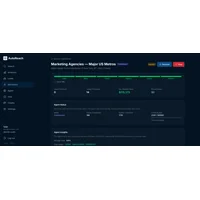
AutoReach is a better fit when the problem is finding and qualifying business prospects rather than managing the sales meeting itself. It autonomously handles lead generation and outreach, so it suits teams that want to move more of the top-of-funnel work into an AI-powered workflow. HyperStore lists AutoReach as free, which makes it a practical option to investigate when budget or experimentation matters.

Jason AI shifts the emphasis from the meeting experience to B2B sales outreach, prospect engagement, and meeting scheduling. It suits sales teams that want those activities automated before a conversation reaches the calendar, especially when scheduling is part of the bottleneck. It is listed as paid, so compare its sales-process scope with Demodesk's meeting-focused fit and the value of the automation your team will actually use.

Lightfield is more CRM- and data-foundation-oriented than a meeting platform. It automatically builds an entire customer database from emails in minutes with no setup required, making it a strong fit for teams whose main gap is organized customer information rather than meeting delivery. HyperStore lists Lightfield as free, so it may suit teams looking for a low-friction way to improve their CRM foundation.

MagicBlocks is a no-code conversational AI platform that turns sales conversations into revenue across the web, SMS, and social channels. Compared with Demodesk's meeting-led use case, it suits teams that want customer conversations to begin and develop across those channels instead of centering the process on a scheduled demo. It is listed as free, which may appeal to teams exploring conversational selling without committing to a paid tool first.

Sensorhub is aimed at discovering high-intent buyers through social monitoring, not at running the meeting itself. Its AI-powered conversation analysis spans LinkedIn, Reddit, and similar networks, so it suits teams whose challenge is spotting buying signals in social channels. Sensorhub is listed as free and may complement a meeting platform when prospect discovery comes first.

Ungrind is a closer fit for the work that follows or surrounds meetings: it automates CRM tasks, meeting notes, and pipeline updates for solopreneurs. Compared with Demodesk, it suits an individual operator who wants an AI sales assistant to reduce administrative work rather than a broader meeting-centered workflow. HyperStore lists Ungrind as paid, so weigh its focused assistance against the amount of CRM administration you need to remove.
How to choose
Stay with Demodesk if your main requirement is meeting-led selling and online demos. Choose AutoReach or Sensorhub when prospect discovery is the gap, Jason AI when B2B outreach and scheduling need automation, Lightfield when email-based CRM creation is the priority, MagicBlocks when web, SMS, and social conversations matter, and Ungrind when a solopreneur needs help with notes and pipeline upkeep. If more than one scenario applies, start with the workflow that consumes the most manual time and test the tool against that specific handoff.