


Best Fiction Fusion Alternatives 7 apps
Compare the top alternatives to Fiction Fusion — pricing, features, and ratings.
Fiction Fusion is an AI-assisted fiction-creation app for turning ideas into stories. Someone may explore Fiction Fusion alternatives when they want a different output format, a more visual workflow, child-focused personalization, or a free or paid option that better matches their budget. The strongest choice depends on whether the goal is writing, an illustrated book, a bedtime story, or a short video. Fiction Fusion may still be the best fit when its creative process and results match what you need.
Why look for a Fiction Fusion alternative?
People compare storytelling apps when the format, audience, or creative workflow they need does not line up with their current tool. A writing-focused experience may not be ideal for someone who wants illustrated children's books, a child-inspired character, consistent artwork, or a finished short video. Price and access can matter too, especially when a free option is enough for experimentation or a paid product offers a more focused format.
Looking elsewhere does not mean Fiction Fusion is the wrong choice. Its existing writing flow may be exactly what a reader wants, and switching only makes sense when another app solves a specific problem more directly. Compare the output you actually need, the amount of control you want, and the way the app fits your intended audience before moving your projects.
What to look for in a Fiction Fusion alternative
Output format and creative control
Start with the destination: prose, an illustrated storybook, a personalized bedtime tale, or a short video. Then check how much control the app gives you over characters, worlds, visual styles, settings, and other creative choices. A tool that matches both the format and the desired level of direction will usually require fewer compromises.
Character consistency and personalization
If a story follows the same characters across multiple scenes, look for clear support for continuity in character design and artwork. For family-focused projects, decide whether you need a child to become the hero, a cartoon version of a photo, or simply a customizable cast. These distinctions can matter more than broad claims about AI storytelling.
Audience, privacy, and family use
When stories involve children or personal photos, review the service's data practices, consent information, and audience controls before uploading anything. The FTC's COPPA guidance is a useful reference point for thinking about children's online privacy and parental consent. Treat it as a checklist for questions to ask, not as a substitute for reading an app's own terms.
Cost, access, and accessibility
Use the free or paid label as an initial filter, then confirm the current terms on the product page and consider how often you will create stories. Also check where the output will be viewed and whether the interface and generated media suit the intended reader. The W3C's WCAG guidance can help frame accessibility questions for digital content and interfaces.
The best Fiction Fusion alternatives

C2Story is an illustration-led option with customizable characters, worlds, and more than 50 visual styles. It suits creators who want to steer the look of an AI-generated story as much as its premise. HyperStore lists C2Story as free, making it a practical first option when budget matters.

Lullaby is built around turning a child's photo into a cartoon character in a personalized, AI-generated illustrated storybook. It is a strong fit for families seeking a child-specific reading experience rather than a general fiction workflow. The listing is marked paid, so it makes sense when that personalization is worth the cost.
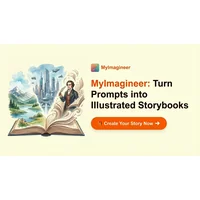
MyImagineer turns story ideas into professional illustrated children's books and emphasizes consistent characters and artwork. Choose it when book presentation and continuity across illustrations matter more than a broad fiction workflow. HyperStore marks it free, so it is an accessible option for testing that format.
Plot Party connects AI storytelling with visually compelling narratives and video content. It suits creators who want to move from an idea toward a visual narrative or video, especially when video is part of the brief. The listing is marked paid, so compare its output focus with Fiction Fusion before switching.
StoryIntoVideo is the clearest fit when the destination is a professional short video: it turns written narratives into videos with AI-generated characters, settings, and voiceovers. It may suit creators who already have a written story and want those production elements in one workflow. HyperStore marks it paid.

TuckMeIn focuses on personalized AI-generated bedtime stories in which a child becomes the hero. It is a better fit for a recurring family bedtime use case than for broad fiction development or video production. The listing is marked free, which lowers the barrier to trying a focused bedtime-story tool.

Wonder Wisp creates personalized AI-illustrated children's storybooks and custom bedtime stories that make the child the hero. It suits families who want illustrated, child-centered bedtime reading and a more specific use case than general fiction creation. HyperStore marks it free.
How to choose
Choose C2Story for customizable illustrated stories, MyImagineer for children's books with consistent characters and artwork, and Lullaby when a child's photo should become part of the story. Choose Plot Party or StoryIntoVideo when visual narrative or video is the priority, and TuckMeIn or Wonder Wisp for child-centered bedtime reading. If none of those needs applies, staying with Fiction Fusion may be the simplest choice.