


Best Figma AI Alternatives 6 apps
Compare the top alternatives to Figma AI — pricing, features, and ratings.
Figma AI is Figma’s AI-assisted design tool for exploring and refining interface and visual design work. If you know Figma AI but need a narrower tool, a different platform, or a lower-cost starting point, these Figma AI alternatives are worth comparing. Figma remains a strong choice for collaborative product design, so the right switch depends on the job you need done. The options below range from prompt-based wireframes and logos to social content, image generation, and merchandising data.
Why look for a Figma AI alternative?
A Figma AI alternative can make sense when your work is more specialized than interface design. You may want prompt-to-wireframe exploration, a logo-first workflow, ready-made visual content, image generation, social publishing, or retail catalog support rather than a general design canvas. Budget, team size, platform access, and the need to keep a workflow simple can matter just as much as feature breadth.
That does not make Figma AI a poor choice. It may still be the better home for teams that already work in Figma and want AI assistance close to their existing design process; switching only pays off when another tool matches a recurring task more directly.
What to look for in a Figma AI alternative
Check output quality and control
Start with the result you need: a wireframe, logo, social asset, presentation, image, or structured product data. Compare how clearly each tool’s stated output matches that job, then consider how much direction you can provide and how easily you can revise the result. A focused generator may be a better fit for a repeatable output than a broad design workspace.
Match the input to your workflow
Look at how you prefer to begin. Some options in this list work from prompts or screenshots, while others turn text descriptions or ideas into visual assets, generate social posts, or organize product information. Choose the input method that fits the material your team already has, rather than selecting a tool only because it uses AI.
Plan for collaboration and handoff
Consider who needs to review, edit, publish, or reuse the result after generation. Product teams may prioritize a design review process, marketers may need content that moves into social channels, and retail teams may need consistent product information. For web-facing work, the W3C Web Accessibility Initiative’s WCAG guidance is a useful reference when checking accessibility requirements during handoff.
Review cost, privacy, and governance
Check whether the listing is free or paid, what usage terms apply, and whether the tool fits your organization’s handling of prompts, screenshots, brand materials, or product data. Before adopting an AI workflow at team scale, document who reviews outputs and what information may be used. The NIST AI Risk Management Framework can provide a practical structure for those governance questions.
The best Figma AI alternatives

BareMinimum is a narrower alternative to Figma AI: it generates ASCII and TUI-style wireframes from prompts or screenshots. It suits teams comfortable with text-based, low-fidelity exploration, and HyperStore lists it as free. Choose Figma AI instead when you need a broader visual design workflow rather than text-oriented wireframes.

BrandPro is more specialized than Figma AI, focusing on AI-generated professional custom logos rather than general interface or visual design work. It suits a business that needs a logo-first starting point and is comfortable with a paid tool; HyperStore lists BrandPro as paid. Figma AI is likely the better fit when the logo is part of a wider collaborative design project.

Canvora focuses on turning text descriptions into professional designs for social media, presentations, and infographics, making it an adjacent visual-content alternative to Figma AI. It suits marketers and teams producing communication assets rather than primarily wireframes or interface mockups. HyperStore lists Canvora as free, while Figma AI may be preferable when the work starts and stays in a product-design canvas.

Contents Pilot addresses a different part of the creative workflow: it generates personalized social posts and schedules content to help brands stay engaged. It is a better fit than Figma AI for teams that need ongoing social publishing support, and HyperStore lists it as free. Choose Figma AI when the central task is designing the visual experience rather than managing the content calendar.

Kolors AI is an image-focused alternative that turns ideas into commercial-grade, high-resolution images through an intelligent design agent. It suits image-led concepting and asset creation, while Figma AI is the more natural comparison when you need a broader interface or layout workflow. HyperStore lists Kolors AI as free.
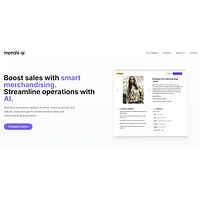
merchi.ai is aimed at retail merchandising, using AI to create product data and categorize it intelligently rather than generating interface layouts. It fits ecommerce or catalog teams whose bottleneck is product information, not collaborative visual design. HyperStore lists merchi.ai as free, while Figma AI remains more relevant when the deliverable is a design rather than structured retail data.
How to choose
If your priority is text-first wireframing, start with BareMinimum; choose BrandPro for a logo-led project; Canvora for presentations, infographics, or social visuals; Contents Pilot for generated and scheduled social posts; Kolors AI for high-resolution image generation; and merchi.ai for retail product data. Stay with Figma AI when your work needs a general design environment and its existing workflow is already working.