


Best Grokipedia Alternatives 6 apps
Compare the top alternatives to Grokipedia — pricing, features, and ratings.
Grokipedia is an AI-oriented encyclopedia for exploring explanations, but you might seek a Grokipedia alternative when you need fresher monitoring or a workflow it does not center. Its encyclopedia format can be useful for fast orientation, while specialized tools may be better for tracking live developments, capturing meetings, organizing documents, or publishing support content. The apps below are not identical replacements; each is aimed at a different information job. Use the comparison to decide whether to stay with Grokipedia, pair it with another tool, or switch for a more focused workflow.
Why look for a Grokipedia alternative?
People often start with an encyclopedia-style resource when they need a quick explanation, then discover that the real task is ongoing monitoring, evidence gathering, or turning information into a reusable workspace. A focused alternative can be a better fit if you care more about current news patterns, personalized web discovery, live events, meeting records, help-center content, or research collaboration than about a general overview.
There is a trade-off: a more specialized app may narrow the scope or require a different workflow, while Grokipedia may remain the simpler choice for broad topic orientation. Before moving, clarify whether the issue is freshness, source visibility, collaboration, output format, platform fit, or cost. The NIST AI Risk Management Framework offers useful context for thinking about reliability and risk when AI is part of the workflow.
What to look for in a Grokipedia alternative
Freshness and source coverage
Decide whether you need a broad explanation or information that follows change over time. News-trend, interest-monitoring, and live-event tools are better suited to ongoing signals, while an encyclopedia-style resource can be more convenient for a first pass; check which sources and topics an app actually covers before switching.
Evidence and transparency
For research or decisions, look for a clear path from an AI-generated summary to the underlying material, and confirm whether the tool helps you inspect, save, or organize that material. The Library of Congress guide to evaluating information is a useful reminder to assess authority, purpose, and supporting evidence instead of treating a fluent answer as proof.
Workflow fit
Match the output to the work you already do: meeting summaries, personalized monitoring, live-event awareness, help-center documentation, and collaborative document research call for different kinds of tools. A close substitute is less important than avoiding manual steps that the chosen app is designed to handle.
Cost and access
Check the current plan, usage limits, and where the app runs before committing. The alternatives here include options marked free as well as Paperbook and SurfSense, which are marked freemium; Kolva's listing also mentions $0.25/hour, so verify how its rate and free label apply to your use.
The best Grokipedia alternatives

DailyScope.ai is a better fit than Grokipedia when you want to understand which countries and themes are receiving the most coverage across multiple sources, rather than start with an encyclopedia-style explanation. It uses AI to track global news trends, making it useful for readers who want a broader view of what is being covered. HyperStore marks it as free; choose Grokipedia when a general topic overview is the priority.

Kolva serves a different need: it captures, transcribes, and summarizes meetings directly in your browser. Compared with Grokipedia, it suits teams and individuals who need spoken discussions turned into usable notes, while Grokipedia is the more natural starting point for looking up a topic. HyperStore marks Kolva as free and its description cites $0.25/hour, so review the live listing to confirm how the pricing applies.
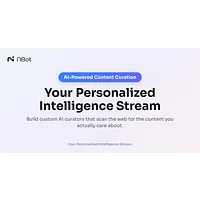
NBot AI is better suited to personalized web discovery than a general encyclopedia lookup. It creates AI curators that monitor the web for specific interests and surface relevant content, which fits people who want the information stream shaped around their own topics. It is listed as free on HyperStore; choose Grokipedia when you want to explore a subject directly rather than maintain an interest-focused monitor.
Observe.Earth is the stronger fit when the goal is live global events monitoring rather than background reading. It tracks natural disasters, social movements, and economic trends in real time, making it relevant for people who need a view of unfolding developments. The app is listed as free; Grokipedia may be preferable when you need a general explanation instead of event awareness.

Paperbook targets customer support teams that need an AI-powered help center builder, not readers seeking a broad encyclopedia overview. It automates customer support with intelligent documentation, so it suits organizations turning recurring questions into structured help content. Paperbook is listed as freemium, while Grokipedia remains the simpler fit for general-purpose topic exploration.

SurfSense is a better choice when research starts with your own documents and needs to become a collaborative workspace. It combines an AI research assistant with intelligent search and knowledge management, making it suitable for teams organizing material rather than only reading a general reference. It is listed as freemium; Grokipedia may still be preferable for a quick, broad orientation.
How to choose
Switch to DailyScope.ai for global news-trend coverage, NBot AI for personalized web monitoring, or Observe.Earth for live events; choose Kolva when meeting capture is the problem, Paperbook when you need a help center, and SurfSense when document-based collaboration matters. If none of those scenarios describes your workflow, staying with Grokipedia for broad topic exploration may be the most practical choice.