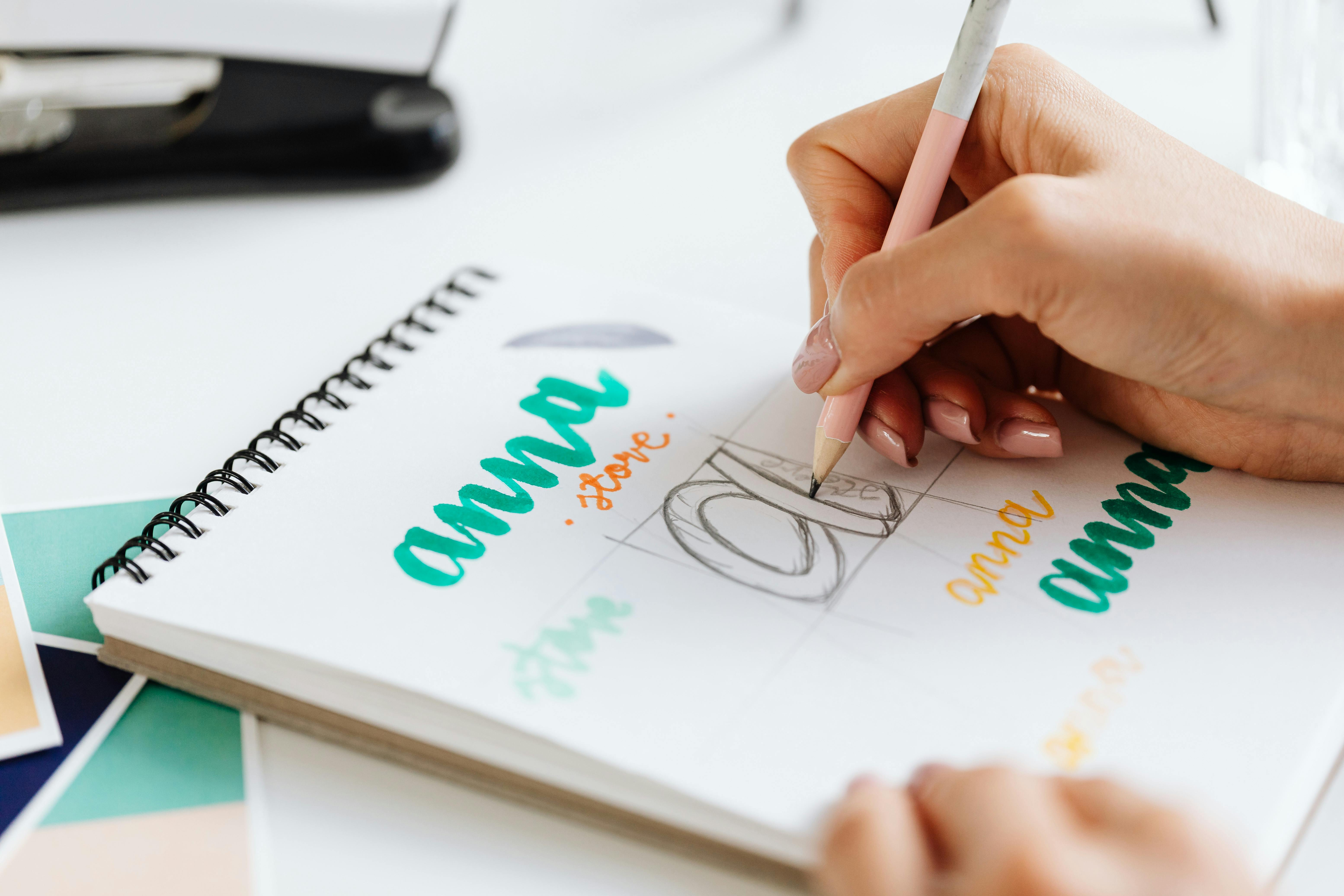
A professional logo used to cost hundreds of dollars and days of back-and-forth with a designer. A free AI logo generator can now produce a polished mark, a matching color palette, and downloadable brand assets in under five minutes. This post breaks down the strongest free options available right now, explains what separates a capable generator from a gimmicky one, and helps you understand which tool fits your specific use case — whether you're launching a SaaS product, an ecommerce store, or a personal brand.
What Makes a Good Free AI Logo Generator?
Not all AI logo tools are created equal. Some spit out clip-art-style icons with generic fonts; others produce genuinely distinctive marks you could put on a product tomorrow. The difference comes down to a few key factors: the quality of the underlying generative model, how much control you have over style inputs, and what file formats you get on the free tier.
Vector Output vs. Raster Output
This is the single most important technical distinction. A PNG logo looks fine on a website but falls apart when printed on a banner or embroidered on a shirt. SVG or EPS output — standard vector formats — scales to any size without degradation. Most free tiers hand you a rasterized PNG; you often need a paid plan to unlock vectors. Know what you need before you commit to a tool.
Brand Kit Generation
A logo in isolation is rarely enough. Serious tools generate a full brand kit alongside the mark: primary and secondary color codes, font pairings, favicon variants, and sometimes social media templates. MarketingBlocks is a strong example on HyperStore — it pairs logo creation with broader design and video production assets, so you're not assembling brand collateral from five different apps.
Customization Depth
The best generators let you steer the output meaningfully. You should be able to specify industry, visual style (wordmark, lettermark, icon-based), color mood, and font personality. Tools that only ask for a company name and generate a random result are closer to random-icon pickers than actual design systems.
Top Free AI Logo Generators Worth Using
The market has matured quickly. A handful of tools have pulled ahead by combining solid generative models with sensible free tiers. Here's how the leading options compare.
Looka
Looka's free tier lets you experiment extensively with logo concepts before paying. You enter your brand name, pick an industry, select style preferences from visual examples, and the engine returns dozens of variations. The catch is that downloading high-resolution files requires a paid plan — but for previewing and iterating on a concept, the free experience is genuinely useful. Looka also generates a brand kit with color palettes and font stacks once you upgrade.
Canva Logo Maker
Canva's logo tool benefits from the platform's enormous template library. The AI layer helps surface relevant starting points based on your industry keywords, and because Canva's editor is so flexible, you can push a generated logo further than most standalone tools allow. Free-tier users get PNG exports; SVG export sits behind Canva Pro. For solopreneurs and small teams already using Canva for social graphics, this is a logical first stop.
Wix Logo Maker
Wix acquired Tailor Brands and integrated its AI logo engine directly. The flow is fast: describe your brand in a few prompts, choose a style direction from generated previews, and download a basic PNG for free. The platform pushes hard toward its subscription plans for full asset access, but the free output is clean enough for digital-only use cases — think email headers and social profiles.
Hatchful by Shopify
Hatchful is completely free, no account required for basic downloads. It's template-driven rather than fully generative, but the template quality is high and the output is consistently usable. If you're building an ecommerce brand and are already in the Shopify ecosystem, this is a natural fit. For a broader look at AI tools that serve online sellers, the best AI tools for ecommerce in 2026 guide covers the full stack beyond logo creation.
Adobe Express Logo Maker
Adobe's free tier is more capable than most people realize. The logo maker uses Adobe Firefly under the hood, which means the generative quality is among the highest available without paying. Free users can create, customize, and download logos, though commercial licensing for AI-generated assets requires an Adobe account with terms acceptance. Adobe Firefly's documentation explains the content credentials system, which is increasingly relevant for brand assets that need provenance tracking.
Brandmark.io
Brandmark takes a more algorithmically rigorous approach. It analyzes your keywords for semantic associations, then generates marks built around those associations rather than just visual templates. The free preview mode shows you fully rendered logos in context — on business cards, app icons, and mockup scenes — which is genuinely helpful for making a decision. Full downloads are paid, but the preview quality makes it one of the better research tools even if you end up exporting elsewhere.
AI Logo Generators vs. Hiring a Designer
The honest answer is that they serve different stages. An AI logo generator is the right call when you're validating a concept, building an MVP, or operating on a bootstrap budget. The output quality from top tools is now good enough for early-stage brands to take seriously — Nielsen Norman Group's research on AI-generated design confirms that user perception of AI-created visuals has improved significantly as model quality has risen.
When AI Falls Short
AI tools struggle with truly custom illustration, complex heraldic marks, and anything requiring deep cultural nuance. A tool trained on existing logo patterns will naturally produce work that echoes those patterns. If your brand positioning depends on genuine visual differentiation, a human designer remains the better investment. That said, many founders use an AI-generated logo to communicate direction to a designer, which compresses the brief-writing process considerably.
Hybrid Workflows
The most practical approach for early-stage teams: generate three to five strong concepts with an AI tool, pick the direction that resonates, then hand the brief to a designer for refinement. This cuts design iteration cycles in half. Tools like BookCoversLab demonstrate a similar philosophy in publishing — AI handles the structural composition, while the creator controls the final refinement. The same logic applies to logos.
Brand Consistency After Logo Creation
Generating a logo is step one. Maintaining consistent brand presentation across channels — social, ads, product UI — is where most early-stage teams slip. Once you have a mark you're happy with, build a simple brand guide document: hex codes, font names, minimum logo sizes, and clear/dark background variants. It takes an hour and saves enormous time when briefing contractors or setting up ad campaigns.
Monitoring How AI Perceives Your Brand
This might sound abstract, but it's increasingly practical. As AI-powered search and recommendation systems become the first touchpoint for many users, how those systems describe your brand matters. Optimly on HyperStore addresses exactly this — it monitors how AI systems characterize your brand in real time, which is a useful complement to getting your visual identity right. A strong logo doesn't help much if the surrounding AI-generated context misrepresents what you do.
Extending Your Brand to Ad Copy
Brand kits should extend to language, not just visuals. Once your logo and color system are locked in, codify a tone of voice and apply it to ad headlines and descriptions. For teams running paid search, 30characters generates high-converting ad headlines quickly — and keeping those headlines tonally consistent with your visual brand is what makes a campaign feel cohesive rather than assembled from parts.
Free AI logo generators have genuine utility now, not hypothetical future utility. The tools above produce work that holds up in real-world brand contexts, and the gap between free-tier output and paid-tier output has narrowed to the point where many founders never need to upgrade. Pick the tool that matches your output format requirements, spend time on the style inputs rather than rushing through the prompts, and treat the result as a starting point you can refine — not a finished artifact you're stuck with.