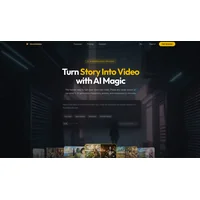
StoryIntoVideo is an AI-powered tool that turns written stories and scripts into video content, helping creators, marketers, and educators visualize narratives without filming or animation skills. It sits in a fast-growing category of generative storytelling tools that range from illustrated storybooks to full manga and motion-video pipelines. People commonly look for StoryIntoVideo alternatives when they want different visual outputs (illustrations or comics instead of video), stronger character consistency, a free tier, or a tool that handles a wider creative workflow from script to finished asset.
Why look for a StoryIntoVideo alternative?
StoryIntoVideo is a solid pick when the end format is video, but it is not the right tool for every storytelling job. Some users need static illustrated output for print or e-readers, where video is overkill. Others find that video-generation models in this category still struggle with character consistency across long narratives, or that the editing tools for fine-tuning scenes are limited compared with dedicated illustration platforms. Pricing, output length limits, and the lack of genre-specific templates (manga, children's books, comics) are also common reasons to shop around. The good news is that the category has matured quickly, and there are now purpose-built tools for almost every storytelling format.
What to look for in a StoryIntoVideo alternative
Output format and medium
Decide whether you need video, illustrated pages, comic panels, or manga layouts. A tool that specializes in your target medium will almost always produce better results than a generalist video generator. For example, manga and comic platforms are tuned for panel composition and ink-style rendering, while children's book tools prioritize consistent character art across many pages.
Character and style consistency
Long-form storytelling lives or dies by whether a character's face, outfit, and art style stay stable from scene to scene. Look for platforms that explicitly advertise persistent characters, style locking, or reference-image workflows rather than one-off image generation. The original IP-Adapter paper explains the underlying technique many of these tools use for style and identity transfer.
Pricing and free tier
Free tiers vary widely. Some tools are fully free to use, others offer limited daily credits, and a few are paid-only with no free option. Match the pricing model to your volume: occasional hobbyists can live with daily credit caps, while professional creators should look for predictable monthly plans or commercial-use licensing included by default.
Customization and control
The best alternatives let you control characters, worlds, art styles, and layouts rather than generating a single black-box output. Granular controls matter if you plan to iterate, remix, or hand off assets to a designer. For a broader view of where generative storytelling is heading, Stanford's AI Index tracks adoption and capability trends across the category.
The best StoryIntoVideo alternatives
C2Story
C2Story is an AI platform for creating illustrated stories with customizable characters, worlds, and 50+ visual styles. It is a strong fit when you want StoryIntoVideo's narrative-to-visual pipeline but prefer static illustrated output over video, and you want broad style flexibility to match different genres and audiences. The free pricing makes it especially attractive for hobbyists and educators prototyping story ideas.
ComicInk
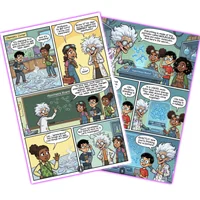
ComicInk is an AI-powered platform for creating visually stunning comic books with consistent characters and dynamic layouts. Where StoryIntoVideo focuses on motion output, ComicInk is purpose-built for sequential panel art, which makes it a better choice for comic creators who care about page composition and panel flow. It is free to use, so it works well for independent comic projects and visual storytelling experiments.
MyImagineer
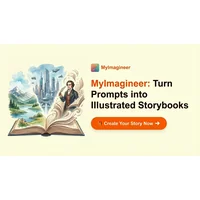
MyImagineer is an AI-powered platform that transforms story ideas into professional illustrated children's books with consistent characters and artwork. It is the most specialized option on this list and a smart pick if your end product is a children's book rather than a video. The focus on character consistency across long narratives directly addresses one of the common frustrations users have with general-purpose video story tools.
Oniichan
Oniichan is an AI manga creator that transforms story prompts into fully illustrated manga in minutes. It is the right alternative when your target audience expects Japanese manga aesthetics with panel-to-panel storytelling rather than cinematic video. Manga creators, webtoon writers, and anime fans who find StoryIntoVideo's visual style too "live-action" will likely prefer Oniichan's dedicated manga pipeline.
Plot Party
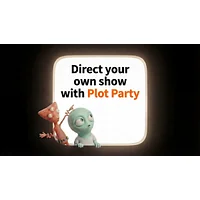
Plot Party is an AI-powered storytelling platform that transforms creative ideas into visually compelling narratives and video content. It overlaps the most with StoryIntoVideo's core promise of text-to-video, but adds broader narrative-building features for writers who want to develop the story itself, not just the visuals. The paid pricing positions it for serious creators and small studios who need a more complete storytelling workspace than a single-purpose video tool.
Zorq AI
Zorq AI transforms static images into animated videos through AI-powered motion synthesis within a unified creative workspace. It takes a different route than StoryIntoVideo: instead of generating visuals from text, it animates images you already have, which gives you far more control over the look of every frame. This is a strong match for designers and studios that want to keep their own art direction while still leveraging AI for motion. It is a paid tool aimed at professional creative workflows.
How to choose
If you want free illustrated stories with lots of style options, start with C2Story. For comics and panel-based work, ComicInk is the most natural fit. MyImagineer is the clear pick for children's book projects. If manga is your genre, Oniichan is purpose-built for it. Choose Plot Party when you need a more complete narrative plus video workspace and are willing to pay. Finally, Zorq AI is the right call for creators who already have artwork and just need AI-driven motion to bring it to life.
Frequently asked questions
Is there a free StoryIntoVideo alternative?
Yes. C2Story, ComicInk, MyImagineer, and Oniichan are all free AI story-generation tools available on HyperStore, each focused on a different visual medium.
What is the best StoryIntoVideo alternative overall?
It depends on your output format. For illustrated stories, C2Story is a strong all-rounder. For comics, ComicInk. For manga, Oniichan. For a fuller narrative plus video workflow, Plot Party.
Which StoryIntoVideo alternative is best for children's books?
MyImagineer is specifically designed for illustrated children's books with consistent characters across pages, making it the most targeted choice for that audience.
Can I make manga with a StoryIntoVideo alternative?
Yes. Oniichan is a dedicated AI manga creator that turns prompts into fully illustrated manga, which is a much better fit for that format than a general video story tool.
Do any of these alternatives support image-to-video animation?
Zorq AI specializes in turning static images into animated video using AI motion synthesis, which is a different but complementary approach to StoryIntoVideo's text-to-video pipeline.
Each of these StoryIntoVideo alternatives carves out a slightly different niche in the AI storytelling space, so the right pick depends on whether you need video, illustrations, comics, manga, or motion-from-still-images. Browse the full list above, compare outputs, and most of these tools offer a free way to test before you commit to a paid plan.