StoryScape is an AI-powered storytelling platform that turns prompts and ideas into illustrated narratives, helping writers, parents, and educators produce visual stories with minimal effort. Many users love the convenience of generating text and imagery in one place, which is why StoryScape alternatives get a lot of search traffic from people weighing their options. The most common reasons to switch include wanting stronger character consistency, broader art styles, video output, or a tool purpose-built for personalized children's bedtime stories.
Why look for a StoryScape alternative?
StoryScape works well as a general-purpose story generator, but no single tool fits everyone. Some users feel the visual style is too generic for a published children's book, while others want richer character consistency across pages. Pricing models also vary: a flat subscription may not suit families who only need a few stories a month, and creators producing video-first content may find a text-and-image focus limiting. Platform fit matters too, since dedicated tools for bedtime personalization or short-form video tend to deliver more polished results in their niche.
What to look for in a StoryScape alternative
Character and style consistency
The single biggest tell of an AI story is characters who change face, outfit, or proportions between scenes. Look for tools that explicitly maintain a consistent character reference across pages or shots, and check whether the visual style can be locked to a specific aesthetic such as watercolor, 3D, or storybook. Industry coverage of generative imagery repeatedly flags consistency as the line between a polished product and a rough prototype.
Output format
StoryScape leans toward illustrated pages. Alternatives diverge: some produce physical-ready children's books, others output short videos with voiceover, and a few focus on quick illustrated narratives for social media. Match the output to your actual goal, whether that is a printed gift, a YouTube short, or a classroom reading aid.
Personalization options
If you are creating stories for a specific child, personalization matters. Tools that accept a photo of the child and cast them as the protagonist produce a more emotional payoff than generic templates, and the depth of customization varies widely between products.
Pricing and access
Free tiers are useful for trying a tool, but they often cap output resolution, page count, or monthly stories. Compare the paid tier against your expected volume; a low monthly subscription that allows unlimited stories is usually a better deal than a per-book fee if you plan to publish more than a handful.
The best StoryScape alternatives
C2Story
C2Story is an AI platform for creating illustrated stories with customizable characters, worlds, and 50+ visual styles, available for free on HyperStore. Compared with StoryScape, it leans harder into aesthetic variety, which suits creators who want to match a storybook to a particular art direction rather than settle for a single default look. Hobbyists and classroom teachers experimenting with different visual genres will find this flexibility valuable.
Lullaby
Lullaby transforms a child's photo into a cartoon character starring in personalized, AI-generated illustrated storybooks, offered as a paid product. Where StoryScape treats characters as generic avatars, Lullaby uses the actual child as the hero, making it a stronger pick for parents buying a gift or keepsake. The trade-off is price and a narrower use case, since this is not the tool for general fiction writing.
MyImagineer
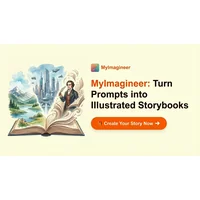
MyImagineer is an AI-powered platform that transforms story ideas into professional illustrated children's books with consistent characters and artwork, available for free. It sits closer to StoryScape in scope but emphasizes production-quality book output, which makes it well suited to indie authors and small publishers who want a finished product rather than a draft. If character consistency is your main frustration with StoryScape, this is worth testing first.
Plot Party
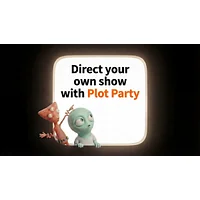
Plot Party is an AI-powered storytelling platform that turns creative ideas into visually compelling narratives and video content, offered as a paid tool. The standout difference from StoryScape is video, which makes Plot Party a better fit for creators building YouTube channels, TikTok storytelling accounts, or marketing snippets. Writers who only need static pages may find the video-first approach more than they need.
StoryIntoVideo
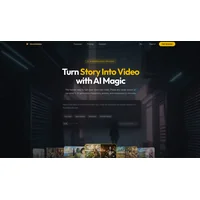
StoryIntoVideo transforms written narratives into professional short videos with AI-generated characters, settings, and voiceovers, available as a paid product. Versus StoryScape's illustrated-page output, this tool produces animated shorts complete with narration, which suits marketers, educators, and content creators who need distributable video rather than a printable book. It is less useful if you want a physical storybook.
TuckMeIn
TuckMeIn creates personalized AI-generated bedtime stories where a child becomes the hero every night, and it is free to use. This is a much narrower tool than StoryScape: there is no general fiction mode, no video, and no custom art direction. In return, parents get a fast, repeatable bedtime ritual that consistently stars their child, which is exactly the use case where StoryScape feels overbuilt.
Wonder Wisp
Wonder Wisp creates personalized AI-illustrated children's storybooks where a child becomes the hero of custom bedtime stories, and the platform is free. Like Lullaby and TuckMeIn, it focuses on personalization over breadth, so it is not a substitute for StoryScape if you write across genres. For families who want a steady supply of custom bedtime books without paying per story, it is one of the stronger free options on HyperStore.
How to choose
If your main frustration with StoryScape is visual variety, start with C2Story or MyImagineer. If you want video output instead of pages, Plot Party and StoryIntoVideo are the natural picks. Parents looking for personalized bedtime stories will get the most value from Lullaby, TuckMeIn, or Wonder Wisp. Match the tool to the output you actually need, then compare paid tiers against your expected monthly volume before committing.
Frequently asked questions
Is there a free StoryScape alternative?
Yes. C2Story, MyImagineer, TuckMeIn, and Wonder Wisp all offer free access on HyperStore, though free tiers typically cap resolution, story length, or monthly output. Paid tools like Lullaby, Plot Party, and StoryIntoVideo charge per story or via subscription but deliver more polished results in their specialty.
What is the best StoryScape alternative for children's books?
For production-ready illustrated children's books with consistent characters, MyImagineer is a strong free choice. Lullaby and Wonder Wisp are better if you want the child to actually appear as the protagonist.
Can AI tools replace a human illustrator?
For drafts, prototypes, and personal projects, yes. For commercially published picture books, most publishers still expect human illustration, so AI tools work best as a starting point or for self-published projects where you understand the current state of generative imagery and its limitations.
Which StoryScape alternative is best for video?
Plot Party and StoryIntoVideo are the two video-focused options on this list. Choose Plot Party if you also want text-and-image storytelling alongside video, and choose StoryIntoVideo if your primary deliverable is a narrated short.
Are AI-generated stories safe for children?
Reputable platforms filter harmful content, but parents should still preview stories before reading them aloud, especially for younger children. Personalization tools that use a child's photo also raise privacy considerations worth reviewing in each platform's policy.
Each StoryScape alternative above covers a slightly different slice of the AI storytelling market, so the best fit depends on whether you value art variety, personalization, video, or free access most. Try two or three with the same prompt and compare the result before deciding where to settle.