Picking between Thea and Study Space really comes down to how you like to study. Both are free, AI-powered education tools aimed at students, lifelong learners, and people picking up new skills, and both tackle the same problem: helping you actually remember what you read. But they go about it differently. Thea generates adaptive practice questions from your course material. Study Space turns documents into personalized AI lectures and study plans. The right pick depends on whether you learn better by being quizzed or by being taught.
At a glance
Thea is a practice-and-recall platform. You feed it notes, PDFs, or lecture videos, and it spits out flashcards, study guides, and practice questions that adapt as you answer. Study Space is a document-to-lecture platform. It converts your files into interactive AI lessons and pairs them with a homework tutor and a study planner.
What each tool does
Thea
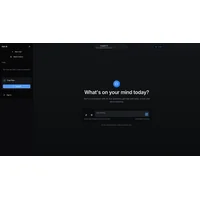
Thea is built on the idea that active recall and spaced repetition beat passive re-reading. Upload almost anything — handwritten notes, PDFs, textbooks, images, lecture videos — and the platform generates flashcards, study guides, and practice questions on the fly. The AI watches how you answer and adjusts difficulty and topic mix in real time, leaning into weak spots and easing off material you've already nailed. Founded in 2023 by Baker, a high school junior at the time, Thea supports 80+ languages and claims more than a million learners worldwide. It also ships subject-specific kits covering everything from anatomy and calculus to construction management and world history.
Study Space
Study Space takes a more lecture-driven approach. You give it a document — your own files or a public source — and it turns that content into a personalized AI lecture tuned to your learning style and pace. When you hit a tough assignment, a Homework Tutor feature walks you through structured explanations rather than just handing over the answer. A Create Study Plan tool helps you set goals, break topics into milestones, and track progress, which makes it a good fit for learners working through a long course or a multi-week exam prep arc rather than a single night of cramming.
Feature comparison
Input and content sources
Thea accepts a wider range of raw inputs: handwritten notes, PDFs, images, textbooks, lecture videos, and even a plain-text description of an upcoming test. Study Space is mostly document-centric, working best with text-based files and public sources. Scanned notes and video lectures aren't central to its workflow.
Core learning loop
Thea's loop is question-first. You study, you answer, and the AI adapts — gradually raising difficulty and re-targeting knowledge gaps using active recall and spaced repetition. Study Space's loop is lecture-first. It explains the material, then supports your practice with a homework tutor and milestone-based plans, with the learning sequence driven by the generated lectures.
Homework and assignment help
Only Study Space advertises a dedicated Homework Tutor for working through tough assignments step by step. Thea covers a similar need indirectly through its practice questions and study guides, but it doesn't position itself as a homework-walking companion.
Planning and long-term study structure
Study Space's Create Study Plan gives it an edge for learners managing multi-week goals, exam prep schedules, or professional development tracks. Thea is more session-oriented — it optimizes for the quality of a single study session rather than the arc of a whole term.
Pricing
Both platforms are free. Thea is a free consumer product with an educators and institutions program for schools that want classroom access. Study Space is also free, with no paid tiers listed in the fact sheet, though specific feature limits or future premium plans weren't spelled out in the materials we had.
Pros and cons
Thea
- Adaptive AI generates personalized questions matched to your weak spots
- Built on research-backed methods like active recall and spaced repetition
- Game-style formats help keep motivation up
- Broad input support, including handwritten notes, video, and 80+ languages
- Effectiveness depends on consistent engagement and self-discipline
- Results can take a while to show up as measurable improvement
- Less structured around long-term study planning
Study Space
- Turns any document into a personalized AI lecture
- Homework Tutor offers structured support for tough assignments
- Create Study Plan helps organize goals and milestones
- Works with both personal files and public sources
- Output quality depends on how clean the source document is
- AI explanations should be cross-checked against authoritative material
- Outcomes vary based on how actively you engage with the generated lectures
Which should you pick?
Pick Thea if your study bottleneck is retention. If you already have the material — notes, slides, videos — and you need an engine that quizzes you intelligently and keeps hammering your weak areas, Thea's adaptive loop is the more direct fit. It's especially good for exam prep built around active recall, and the input variety is a real plus if your sources are messy or multimedia.
Pick Study Space if you learn better by being taught than tested, or if you're working through a long, structured goal. The document-to-lecture workflow, Homework Tutor, and milestone-based plans make it the stronger choice for multi-week courses, professional certifications, or anyone who wants more hand-holding before practicing. It's also worth a look if most of your study material lives in clean text documents.
If you can't decide, try both on the same source material for a week. Thea will show you how well you actually know the content. Study Space will help you build the broader learning arc around it. Plenty of students end up using tools like these alongside something more research-oriented — for example, Edutopia's piece on spaced repetition or by supplementing lectures with structured reading.
Other alternatives on HyperStore
If neither Thea nor Study Space feels right, a few other learning-focused tools in the directory are worth a look. Study Fetch is the closest neighbor, turning course materials into interactive learning tools powered by an AI tutor. GPT Researcher fits better if your priority is research and source-gathering rather than practice questions, while Ask AI offers a more general conversational assistant for ad-hoc study questions and explanations.
Frequently asked questions
Is Thea better than Study Space for exam prep?
For pure exam recall, Thea's adaptive question engine and spaced repetition give it an edge, especially if you have a bank of notes and videos to feed it. Study Space is more useful during the learning phase leading up to exam prep, particularly for building a structured plan over multiple weeks.
Are both Thea and Study Space actually free?
Yes. Both list a free pricing model. Thea also offers an educators and institutions partnership program. Study Space's specific feature limits and any future paid tiers aren't detailed in the materials we reviewed.
Which tool handles video and handwritten notes better?
Thea. It explicitly supports lecture videos, handwritten notes, PDFs, and images as inputs, and can even generate study aids from a text description of an upcoming test. Study Space is more document-centric and best suited to text-based files.
Does Study Space have a homework helper?
Yes. Study Space's Homework Tutor is designed to walk you through challenging assignments with structured AI explanations rather than just giving you the answer, which makes it a stronger fit than Thea for active assignment support.
How do Thea and Study Space compare on long-term study planning?
Study Space has a dedicated Create Study Plan feature for setting goals, milestones, and tracking progress over time. Thea is more session-oriented, focused on optimizing the quality of individual study sessions rather than managing a multi-week schedule.
Both tools are solid examples of how AI is reshaping self-directed learning, and the fact that they're free makes a side-by-side trial low-risk. The honest answer to Thea vs Study Space is that they overlap less than it seems: one is a practice engine, the other is a lecture engine, and the best choice depends on which part of studying you find hardest.