GetAiPic
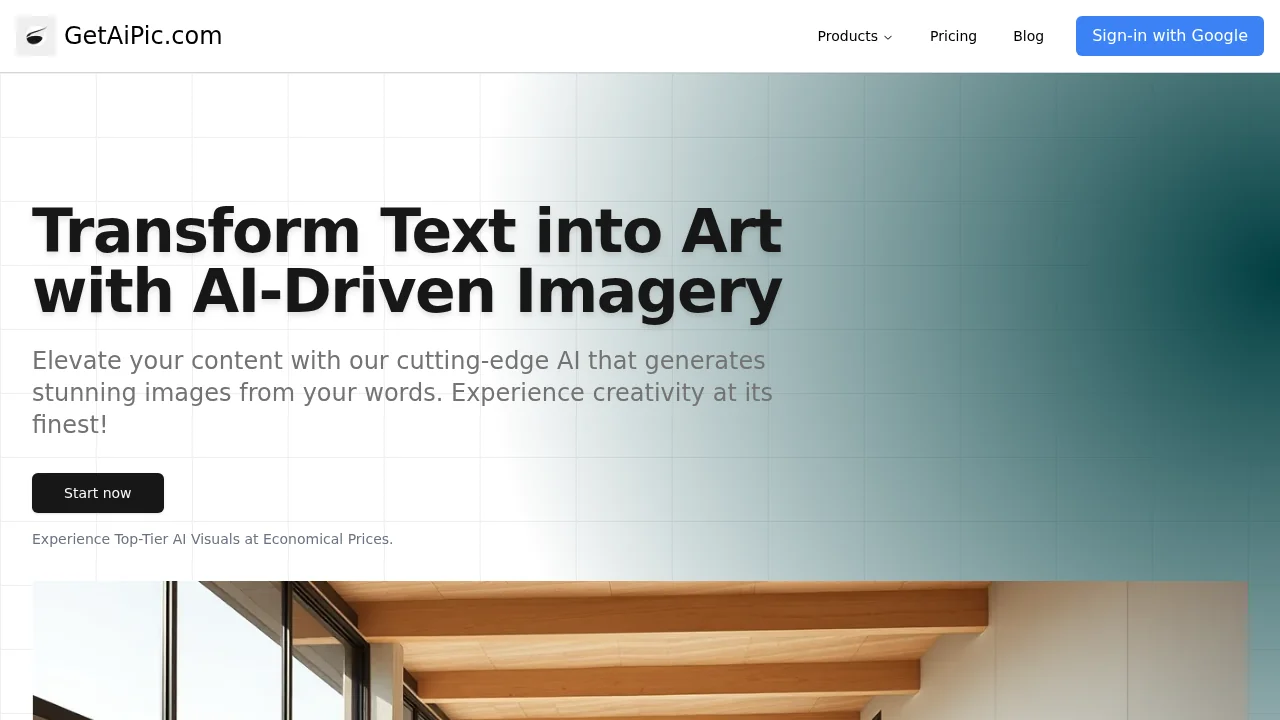
GetAiPic transforms text prompts into stunning AI-generated images, enabling creators to produce professional-quality visuals instantly.
GetAiPic at a glance
- Pricing
- Free — from $10/month
- Rating
- ⭐ 2.7/5 · 10 reviews
- Key strengths
- Converts text descriptions into high-quality AI-generated images quickly · Affordable pricing accessible to creators and businesses of all sizes · User-friendly interface requires no design experience or technical skills
Screenshots
About GetAiPic
GetAiPic is an AI-powered image generation platform that converts written descriptions into high-quality visual content. By simply entering text prompts, users can generate aesthetically polished images without requiring design skills or expensive software. This capability makes visual content creation accessible to content creators, marketers, entrepreneurs, and designers of all experience levels.
The platform excels at producing top-tier AI visuals that maintain artistic quality while reflecting user intent accurately. Whether you're developing marketing materials, creating social media assets, illustrating blog posts, or exploring creative concepts, GetAiPic delivers results that elevate your content's visual impact. The text-to-image conversion process is straightforward and efficient, allowing rapid iteration and experimentation with different creative directions.
Affordability is a key differentiator, with pricing structured to accommodate individual creators, small businesses, and larger organizations. This economical approach removes financial barriers to professional-grade visual content generation, democratizing access to AI-driven design tools. Users benefit from both the creative flexibility and the cost efficiency, making it a practical solution for anyone seeking to enhance their content strategy without substantial investment.
Pros
Cons
Alternatives to GetAiPic
SellShots
VisualGPT
Hireable Headshots
Mintshot
VibePaint.ai
GPT Caricature
AvatarStyle