Laike.AI
Laike.AI's Image to Image Generator transforms photos through text prompts with precise control and structural preservation.
Laike.AI at a glance
- Pricing
- Free — from $6/month
- Rating
- ⭐ 2.8/5 · 9 reviews
- Key strengths
- Intuitive text-prompt editing removes technical barriers to image transformation · Advanced strength control enables both subtle refinements and dramatic restyling · Preserves original composition and poses while applying creative changes
Screenshots
About Laike.AI
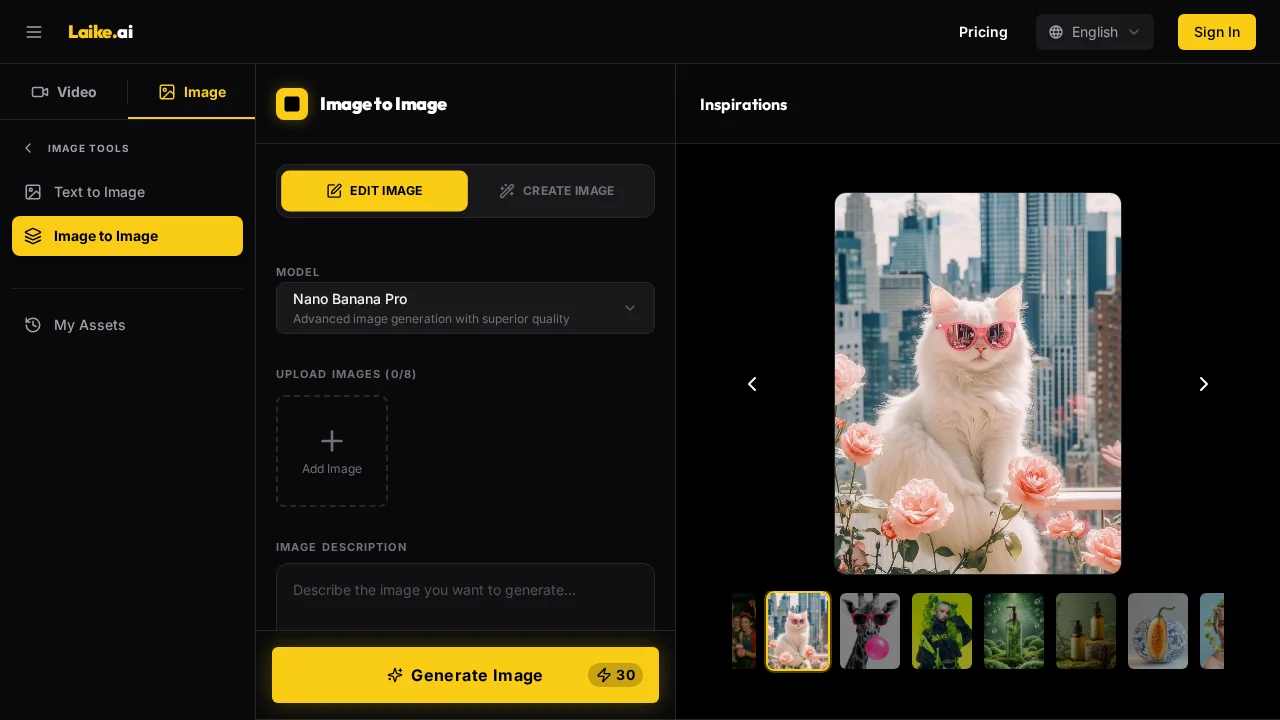
Laike.AI's Image to Image Generator is an advanced AI editor that reimagines your photos through natural language descriptions. Simply upload an image and describe the changes you want—whether subtle tweaks or complete visual overhauls—and the AI delivers results while maintaining the original composition, poses, and layouts. This prompt-based approach makes professional-quality image editing accessible to everyone, from casual users to experienced designers.
The tool supports a comprehensive range of file formats (.jpg, .png, .webp, and more) and offers extraordinary creative flexibility. Transform images into oil paintings, cartoon styles, 3D renders, or sci-fi aesthetics. You can add new objects, swap backgrounds, adjust seasons, or apply artistic effects—all with intuitive text instructions. The strength slider lets you fine-tune the intensity of changes, from barely perceptible adjustments to complete restyling, giving you granular control over your edits.
Powered by ControlNet-style structural consistency technology, Laike.AI preserves the integrity of your original image while applying transformations. This balance between creative freedom and compositional stability makes it ideal for designers exploring design variations, photographers editing complex scenes, and AI artists refining generated outputs. The multi-image upload capability means you can work with several photos in succession, streamlining your creative workflow.
Pros
Cons
Alternatives to Laike.AI
Chronostates
Remove Sora Watermark.ai
Remove Sora Watermark.video
AI Image Extender.io
Klayn
TruShot App
AI Enhance Image.com