
Pager Health
Pager Health is an AI-powered healthcare platform delivering connected care coordination across payors, providers, and patients.
Pager Health at a glance
- Pricing
- Freemium
- Key strengths
- Unified communication hub reducing navigation across multiple platforms · Flexible deployment as SaaS or fully-managed service option · Secure data integration across providers, payors, and patients
Screenshots
About Pager Health
Pager Health bridges the gap between patients, healthcare providers, and insurance organizations through an intelligent, unified communication platform. By combining artificial intelligence with human concierge services, it creates a seamless experience that guides users through every stage of their healthcare journey—from initial navigation and care delivery through follow-up and ongoing wellness management.
The platform consolidates multiple healthcare touchpoints into a single, meaningful conversation. Patients can easily engage with doctors, care coordinators, insurance representatives, and support staff without switching between separate tools or systems. This unified approach reduces friction, improves accessibility, and ensures critical health information flows securely across all relevant parties when and where it's needed.
Pager Health's architecture is built for scalability and customization, accommodating organizations of any size. It operates as a flexible SaaS solution or fully-staffed managed service, allowing healthcare systems and insurance plans to deploy it according to their specific needs. The white-label option lets organizations integrate the technology invisibly into their existing brand experience without revealing third-party involvement.
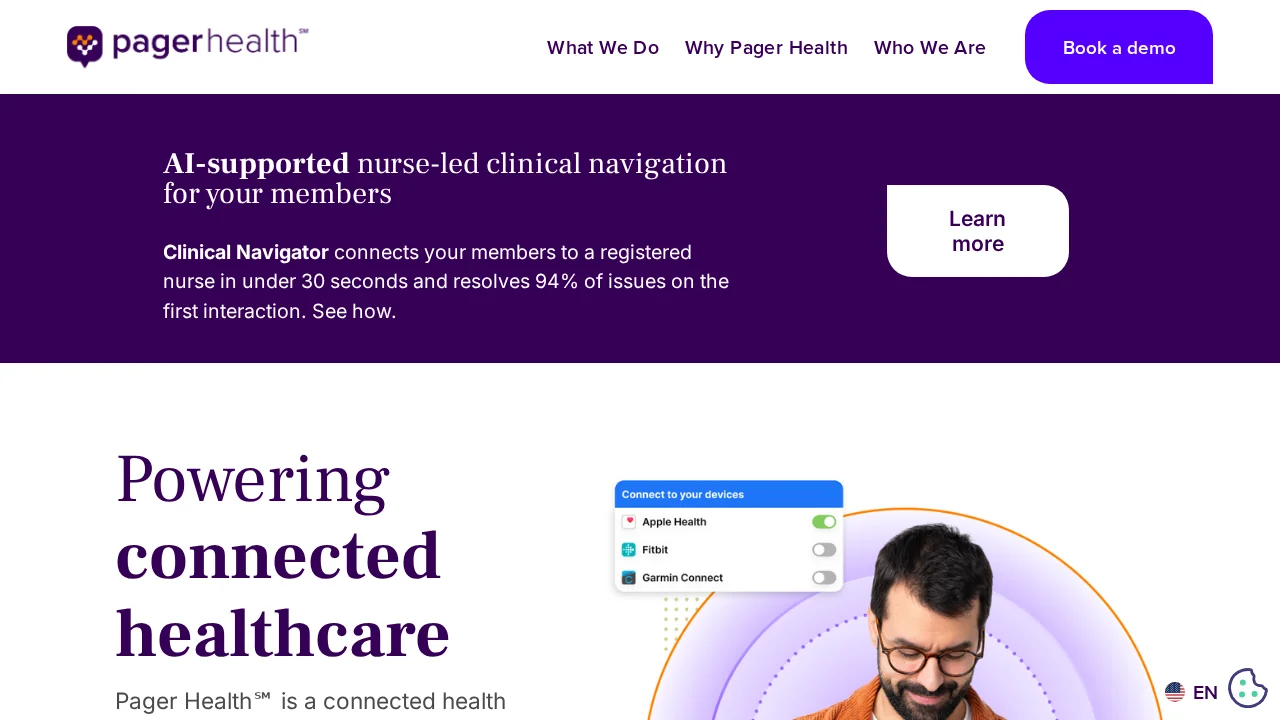
The platform includes practical healthcare features such as virtual doctor visits, automated appointment and medication reminders, integration with connected health devices, and proactive care coordination. By leveraging secure data sharing across networks, Pager Health enables providers and payors to deliver timely, informed interventions that keep patients engaged and supported throughout their care experience.
Pros
Cons
Alternatives to Pager Health
Gavin by The Solemn Sir
Mooduna
Pelaris
MxChat
empaithy
Calibrex
NEUROFIT App: Vagus Nerve Reset