BrandSocial is a social media management platform built to help brands plan, schedule, and analyze their content across networks. It is widely used by marketing teams that want a single hub for publishing and performance tracking. Even strong tools like BrandSocial have blind spots, and many readers start looking for BrandSocial alternatives when pricing changes, when a niche feature is missing, or when a team wants a tool that does more than scheduling.
Why look for a BrandSocial alternative?
Most shoppers leave BrandSocial for one of three reasons. First, the platform can feel expensive once a team scales past a single brand or adds several social profiles, and budget-conscious operators often look for a tool with a flatter pricing curve. Second, BrandSocial focuses on scheduling and analytics, so teams that need stronger AI content generation, creator outreach, or live conversation monitoring frequently find it too narrow. Third, some users want a specialist — a LinkedIn-first tool, a Reddit engagement engine, or a Facebook Page moderator — rather than a generalist calendar.
None of this means BrandSocial is the wrong choice. For a marketing department that already runs smoothly on it, switching costs are real. The case for alternatives is strongest when a specific workflow is under-served, or when a smaller team realizes it is paying for capacity it does not use.
What to look for in a BrandSocial alternative
Channel fit and specialization
Generalist schedulers are convenient, but a tool that is purpose-built for one network usually wins on depth. If LinkedIn is your primary channel, a LinkedIn-native writer will outperform a generic caption generator. If you live on Reddit and X, a real-time monitoring tool will catch opportunities a scheduler misses entirely. Match the tool to the channel that matters most.
AI capability and content quality
Look past the marketing claim of "AI-powered" and ask what the model actually does. Does it draft from your voice, generate visuals, or merely suggest hashtags? High-quality alternatives let you guide tone, reuse your own examples, and edit in place, rather than producing generic copy that still needs a rewrite.
Pricing transparency and free tier
Social media tools have a long history of pricing surprises as audiences grow. A clear free plan or a single transparent paid tier makes budgeting easier and lets you test the workflow before committing. Read the fine print on profile limits, AI usage caps, and team seats.
Integrations and workflow fit
The best alternative is the one that fits the rest of your stack. Check for native connections to Notion, Slack, your CRM, or the messaging apps your team already uses. A tool that drops clean structured notes into Notion or pings you in the right inbox removes hours of manual work each week.
The best BrandSocial alternatives
GetLogit
GetLogit is an all-in-one AI platform that bundles content creation, coding help, and productivity utilities under one roof. Where BrandSocial focuses on scheduling and analytics, GetLogit leans into generation: it gives marketers a place to draft posts, brainstorm hooks, and produce supporting copy without juggling separate tools. The free tier makes it a sensible starting point for solo creators who want AI assistance more than a content calendar. Larger teams may still prefer BrandSocial's scheduling depth, but anyone whose bottleneck is writing rather than posting should test GetLogit first.
HookTide
HookTide is an AI-powered LinkedIn growth tool that focuses on authentic, personalized content reflecting your unique voice. It targets a specific gap BrandSocial leaves open: LinkedIn-native drafting at scale. HookTide is a paid tool aimed at founders, consultants, and personal-brand operators who post frequently and need their writing to sound like them, not like a template. If LinkedIn is your main channel and BrandSocial feels generic for it, HookTide is the most directly comparable specialist.
Koli
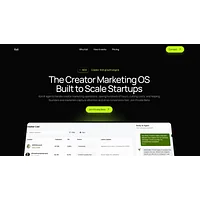
Koli automates creator outreach and campaign management, saving teams time on search, discovery, and multilingual communications. It sits in a different lane from BrandSocial: instead of helping you publish, Koli helps you find and recruit the creators you will publish with. Marketers running influencer or partnership programs will see this as a complement or replacement for the manual workflows BrandSocial does not cover. The paid pricing reflects the business-development value it unlocks, particularly for agencies working across languages.
Notis
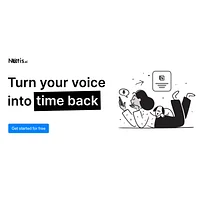
Notis is an AI intern that captures voice messages across messaging apps and auto-syncs structured notes and tasks to Notion. It is not a social media scheduler, which is exactly the point. Many BrandSocial users spend hours turning brainstorms, customer calls, and team voice notes into posts; Notis automates that capture step. For content teams whose ideas live in WhatsApp or Telegram chats, Notis plugs a gap BrandSocial does not address. It is free, which lowers the barrier to trying it alongside your existing scheduler.
Pounce
Pounce is an AI social media tool that streams relevant conversations from X and Reddit to your inbox for real-time engagement. BrandSocial is built for outbound publishing; Pounce is built for inbound listening. It suits community managers, founders, and small brands that grow by joining conversations early rather than broadcasting on a schedule. The free pricing makes it an easy add-on, and it pairs naturally with BrandSocial for teams that want both a calendar and a real-time ear on social.
RYPL
RYPL automates Facebook Page management with AI-powered replies, sentiment analysis, and smart moderation to boost engagement. It zeroes in on the community-management workload that a generalist scheduler often ignores after the post goes live. For brands whose Facebook Page still drives meaningful comments and messages, RYPL handles the reply queue so a human only steps in when needed. It is free and pairs well with BrandSocial for teams treating Facebook as a customer-service surface as much as a broadcast channel.
Vidocu
Vidocu transforms videos into professional documentation with AI-generated subtitles, voiceovers, and multilingual content. It addresses a workflow BrandSocial touches only lightly: turning long-form video into searchable, shareable, multilingual assets. Marketing teams that repurpose webinars, podcasts, or product demos will find Vidocu fills a real gap, especially when international audiences are in scope. The free tier makes it easy to test, and it complements rather than replaces BrandSocial's scheduling layer.
How to choose
If your main frustration with BrandSocial is generic AI copy, start with HookTide for LinkedIn or GetLogit for broader content needs. If you run creator campaigns, Koli addresses the outreach side BrandSocial skips. For real-time engagement, Pounce streams X and Reddit opportunities you would otherwise miss, while RYPL handles Facebook Page replies at scale. Notis is the right pick when your ideas live in voice messages, and Vidocu fits teams turning video into documentation.
Frequently asked questions
Is there a free BrandSocial alternative?
Yes. Several alternatives on this list offer free tiers, including GetLogit, Notis, Pounce, RYPL, and Vidocu. Each covers a different workflow, so the best free option depends on which gap you are trying to fill.
What is the best BrandSocial alternative?
There is no single winner. For LinkedIn-first brands, HookTide is the most specialized pick. For all-around AI content generation, GetLogit is the broadest. For real-time engagement, Pounce stands out. The right choice is the one that matches the workflow BrandSocial handles worst for your team.
Can I use BrandSocial alongside an alternative?
Absolutely. Many teams run BrandSocial as their scheduling and analytics hub while layering Pounce for listening, RYPL for Facebook moderation, or Notis to capture ideas from voice messages. Alternatives do not have to replace BrandSocial; they often complement it.
Which alternative is best for small teams?
Small teams usually get the most value from free or low-cost tools that solve one specific problem well. GetLogit and Pounce both offer generous free tiers and address the most common bottlenecks: content drafting and real-time engagement.
Are these alternatives safe to switch to?
Most of the tools listed integrate with the major social networks through official APIs, which is the same standard BrandSocial uses. As with any social tool, review each provider's data handling and review the platform's own documentation, such as Meta's Graph API docs and X's developer documentation, before connecting brand accounts.
BrandSocial remains a solid choice for teams that want scheduling and analytics in one place. The alternatives above earn their place by solving specific problems more deeply, whether that is LinkedIn-native writing, real-time conversation monitoring, creator outreach, or turning voice and video into ready-to-publish content. Pick the gap that costs your team the most time, and start there.