Dropchat
Dropchat lets you build intelligent AI chatbots trained on your own data without coding.
Screenshots
About Dropchat
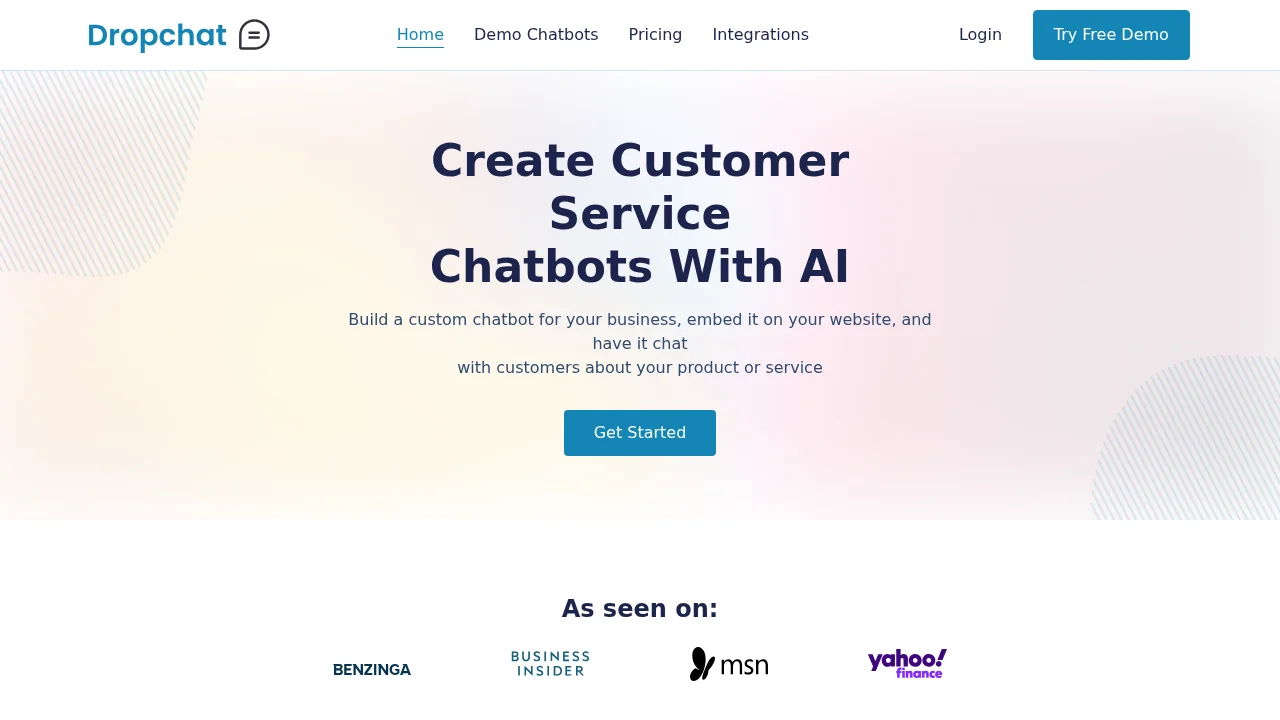
Dropchat empowers businesses to create sophisticated AI chatbots by simply uploading their own content—PDFs, websites, YouTube videos, and more. Using advanced GPT-4 technology and vector databases, the platform transforms your existing data into a conversational interface that can instantly answer customer questions with accuracy and context. No coding experience required, making it accessible to teams of any technical skill level.
The chatbots deliver personalized interactions that feel natural and informed, eliminating the need for pre-scripted responses or constant human oversight. When conversations grow complex or require human judgment, the system seamlessly escalates to your support team, ensuring customers always get the help they need. This hybrid approach reduces operational burden while maintaining service quality across all customer touchpoints.
Customization options run deep—tailor welcome messages, set up sample question prompts, and adjust tone and behavior to match your brand voice. Built-in analytics and user feedback mechanisms (like thumbs up/down ratings) help you continuously improve chatbot performance and understand what matters to your audience. Integration with any content management system means deploying your chatbot on your website takes minutes, not days.
From e-commerce and hospitality to healthcare and government, Dropchat adapts to industry-specific needs and use cases. Whether you're handling FAQs, product support, or complex information requests, the platform scales with your business while keeping customer interactions efficient and meaningful.
Pros
Cons
Alternatives to Dropchat
88Agents
BabyMealBot
TalkWiz.ai
AccuChats
Site2CRM
Chattitude
Recall