AI Tools for Recipe Generation 20 apps
Recipe generation is just turning what you've got lying around, a craving, or a diet goal into actual cooking instructions. Home cooks, busy families, and anyone juggling allergies or restrictions have always relied on cookbooks, blogs, and scribbled family notes. AI speeds that up. It matches inputs to suggestions in seconds, scales servings, swaps ingredients, and can even scan a photo of your fridge and suggest a dish. The best AI tools for recipe generation these days feel less like a search engine and more like a sous chef who already knows your pantry.
How AI helps with recipe generation
Modern generators start by reading your inputs: an ingredient list, a photo, a cuisine preference, a calorie target, or a flag like gluten-free or low-sodium. From there the model proposes a dish, builds out a structured ingredient list with quantities, writes numbered steps, and rescales servings when you ask. A lot of tools go further and estimate nutrition, plan out a full week of meals, or stash everything into a personal collection you can come back to.
Photo-based generators add another angle. Snap your fridge, a farmers market haul, or a restaurant plate, and the model figures out what's there before writing a recipe around it. That cuts down the gap between "what should I cook?" and "here's what to buy and how to make it." It's part of why AI-assisted cooking keeps picking up steam with everyday cooks, as outlets like The Verge and WIRED have covered.
What to look for
Ingredient flexibility
A solid generator should handle vague inputs ("some chicken, rice, and peppers") and an exact shopping list with the same ease. It should also let you lock or exclude ingredients, because most real cooking sessions start with constraints, not a blank slate.
Dietary and nutrition controls
Look for filters or prompts that respect allergies, vegan or keto patterns, sodium caps, and calorie targets. Tools that surface macros and adjust nutrition for serving size save you a separate trip to a tracking app.
Output format and editing
Recipes are easier to follow when they're cleanly structured: an ingredient list separate from the steps, prep and cook times, and serving sizes that actually make sense. The ability to regenerate one section, scale servings, or export to a notes app or PDF tends to matter more than any model claim on a landing page.
Integrations and input modes
Photo recognition, voice input, and links to grocery delivery or smart kitchen devices turn a recipe app into part of a real cooking workflow. Think about whether the tool runs on the devices you actually use, since kitchen screens are usually a phone or a tablet with flour on it.
Best AI tools for recipe generation

AI Recipe Writer is built for speed. Hand it an ingredient list and a few preferences and it spits out a full personalized recipe in one pass. It's positioned as a free, no-signup option for anyone who wants a clean output without committing to a whole meal-planning suite.

cookAIfood takes both text ingredients and photos and turns them into creative dishes or full menus. That dual-input setup makes it handy when you want to riff on a market haul or build a multi-course plan from one snapshot.

RecetasIA leans into personalization for Spanish-speaking kitchens, generating recipes that reflect the dietary preferences and restrictions you declare upfront. A practical pick if you want your AI recipes to respect cultural and dietary constraints from the first prompt.

Recipes By AI is built around the "what's in the fridge" workflow. List what you've got and it returns a customized recipe fast, which is exactly what you want on a weeknight when there's no time to browse.

ChefGPT pitches itself as a full AI chef assistant. It generates recipes from pantry inputs and tracks nutrition alongside. The freemium model and a public API make it flexible for casual cooks and for developers who want to plug recipe generation into something else.


Littlecook focuses on custom dishes built from a short list of ingredients you choose. Good fit if you like to keep the model on a tight leash and iterate on one dish at a time.


Recipe Lens uses image recognition to identify a dish from a photo, then builds a recipe around your ingredients and dietary needs. The freemium tier makes it easy to try, especially if you cook from visual cues like restaurant plates or cookbook pages.

Recipe Reactor turns whatever ingredients you have into personalized recipes and adds a collection organizer so you can keep everything in one spot. Best for cooks who generate often and want a lightweight library sitting on top of the generator.


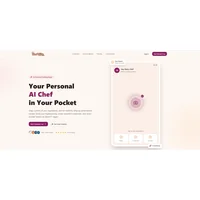
Sous frames itself as an AI kitchen assistant, generating personalized recipes from ingredients you already have at home. It suits users who'd rather chat with the tool than fill out a strict form.
How to choose
Match the tool to the moment. Weeknight cooking from whatever's in the fridge? Recipes By AI, DishGen, or Rexipie keep it simple. Cooking from photos? cookAIfood and Recipe Lens are the strongest fits. If nutrition and meal planning matter, ChefGPT and MealGenie add tracking and weekly structure. For folks who generate often, Recipe Reactor's collection features help keep past work searchable, and Sous is a good pick if you prefer a chat-style assistant. RecetasIA and AI Recipe Writer are solid defaults when language, speed, or low friction is the priority.
More AI tools to explore

YouGotCooking
YouGotCooking uses AI to suggest recipes based on ingredients you have at home, reducing waste and simplifying meal planning.

Crumb
Crumb is an AI recipe generator that transforms your available ingredients into personalized dishes instantly.
Chef Kitty AI
Chef Kitty AI transforms food photos into complete recipes using advanced visual recognition and machine learning technology.

CookFast
CookFast is an AI-powered recipe generator that creates personalized meal ideas instantly based on your ingredients.

Mealpractice
Mealpractice is an AI recipe generator that creates personalized meal options based on your protein, dietary style, and cuisine preferences.

Kitchendary
Kitchendary streamlines meal planning with AI-powered suggestions, automatic grocery lists, and recipe sharing.